Delaminating Roof Plywood in Citrus County: A Hidden Roofing Problem Homeowners Shouldn’t Ignore
When Citrus County homeowners think about roofing problems, they usually picture missing shingles, leaks, or storm damage. But one of the most serious roofing issues discovered during inspections and reroofs in Citrus County, Florida is something most homeowners never see:
Delaminating roof plywood
Your shingles are only the outer layer of protection. Beneath them is the structural decking that holds your entire roofing system together. When that plywood begins to fail, your roof can lose strength, develop leaks, and become vulnerable to hurricane winds long before you ever see water stains inside your home.
If you own a home in Crystal River, Homosassa, Lecanto, Beverly Hills, Inverness, or Hernando, this is a roofing issue you should understand.
This guide explains what delaminating plywood is, why it’s extremely common in Citrus County homes, how to spot warning signs, and what to do before it becomes a costly emergency.
What Is Roof Decking (And Why It Matters)?
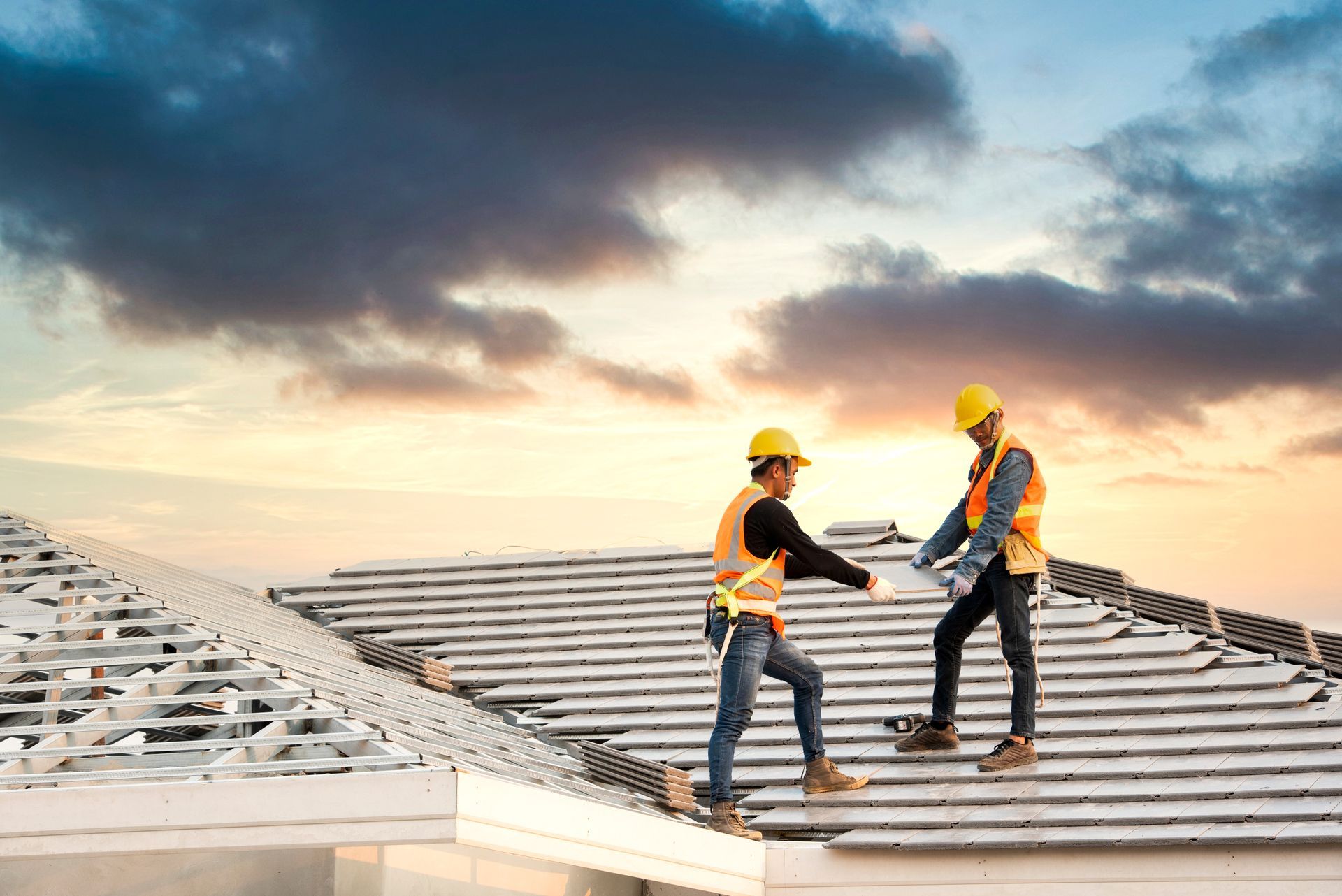
Under your shingles sits a layer of wood panels called roof decking or roof sheathing. Most homes in Citrus County use plywood panels attached to roof trusses.
This decking is responsible for:
- Supporting the weight of your roof
- Holding roofing nails securely
- Resisting hurricane uplift
- Providing a flat surface for shingles
- Protecting the interior of your home
Your shingles are only as reliable as the wood they’re nailed into.
When plywood begins to delaminate, the entire roofing system is compromised.
What Does Delaminating Plywood Mean?
Plywood is made by bonding thin layers of wood together using adhesives under pressure. Over time, moisture and heat cause those layers to separate.
Instead of a solid structural panel, the plywood begins peeling apart into layers — similar to soggy cardboard. Once this starts, the wood loses strength and nail-holding power.
And in Citrus County’s climate, this happens far more often than homeowners realize.
Why Citrus County Roofs Are Especially Vulnerable
Citrus County is one of the toughest environments in the country for roofing systems. Homes here experience:
- Year-round humidity
- Heavy seasonal rainfall
- Tropical storms and hurricanes
- High attic temperatures
- Salt air near the Gulf
- Rapid temperature swings
Moisture constantly enters roofing systems — even when there are no visible leaks.
Many homeowners are shocked when plywood damage is discovered during roof replacement because their roof never leaked inside. But moisture doesn’t always show up as a ceiling stain.
Often, the damage happens slowly and silently.
The Science: How Moisture Destroys Roof Decking
Wood naturally absorbs moisture from the air. Citrus County frequently sees humidity above 80%.
When plywood repeatedly absorbs moisture:
- Wood fibers expand
- Adhesive bonds weaken
- Layers separate
- Heat accelerates breakdown
- Structural strength drops
Once delamination begins, it does not stop.
The Most Common Causes of Delaminated Roof Decking in Citrus County Homes
Aging Roofs in Established Neighborhoods
Many homes in Citrus County are now 15–25+ years old. Aging shingles allow small amounts of moisture into decking long before leaks appear.
Florida Attic Heat + Humidity
Attics trap heat and moisture from the Florida sun and daily living. Without proper ventilation, condensation forms on the underside of the roof deck and soaks plywood from below.
Poor Attic Ventilation
This is one of the most common problems we see locally. Insufficient airflow turns attics into humid chambers that slowly damage decking year-round.
Hurricane & Tropical Storm Exposure
Wind-driven rain can push water under shingles and flashing, trapping moisture inside the roof system even if your roof looks fine after a storm.
Previous Roofing Installed Over Damaged Decking
Older reroofs sometimes covered damaged plywood instead of replacing it. The damage continues unseen until the next roof replacement.
Coastal Salt Air
Homes near Crystal River and Homosassa experience salt-laden air, which accelerates deterioration of roofing materials and wood decking.
Warning Signs Citrus County Homeowners Should Watch For
Exterior Signs
- Wavy or uneven roof lines
- Recurring shingle blow-offs
- Soft or spongy roof areas
- Sagging roof sections
Attic Warning Signs
- Musty attic smell
- Dark or stained plywood
- Peeling wood layers
- Rusted nail tips
- Mold or mildew
These are strong indicators that a professional inspection is needed.
Why Delaminating Decking Is Dangerous in Hurricane Zones?
Florida building codes are designed for hurricane resistance. But those standards assume roofing nails are anchored into solid wood.
When plywood delaminates:
• Nails loosen easily
• Shingles lift in high winds
• Roof sections become vulnerable to uplift
• Storm damage risk increases dramatically
Your roof may look fine — but its storm resistance could be severely reduced.
Can Delaminated Plywood Be Fixed?
No. Once plywood delaminates, it must be replaced.
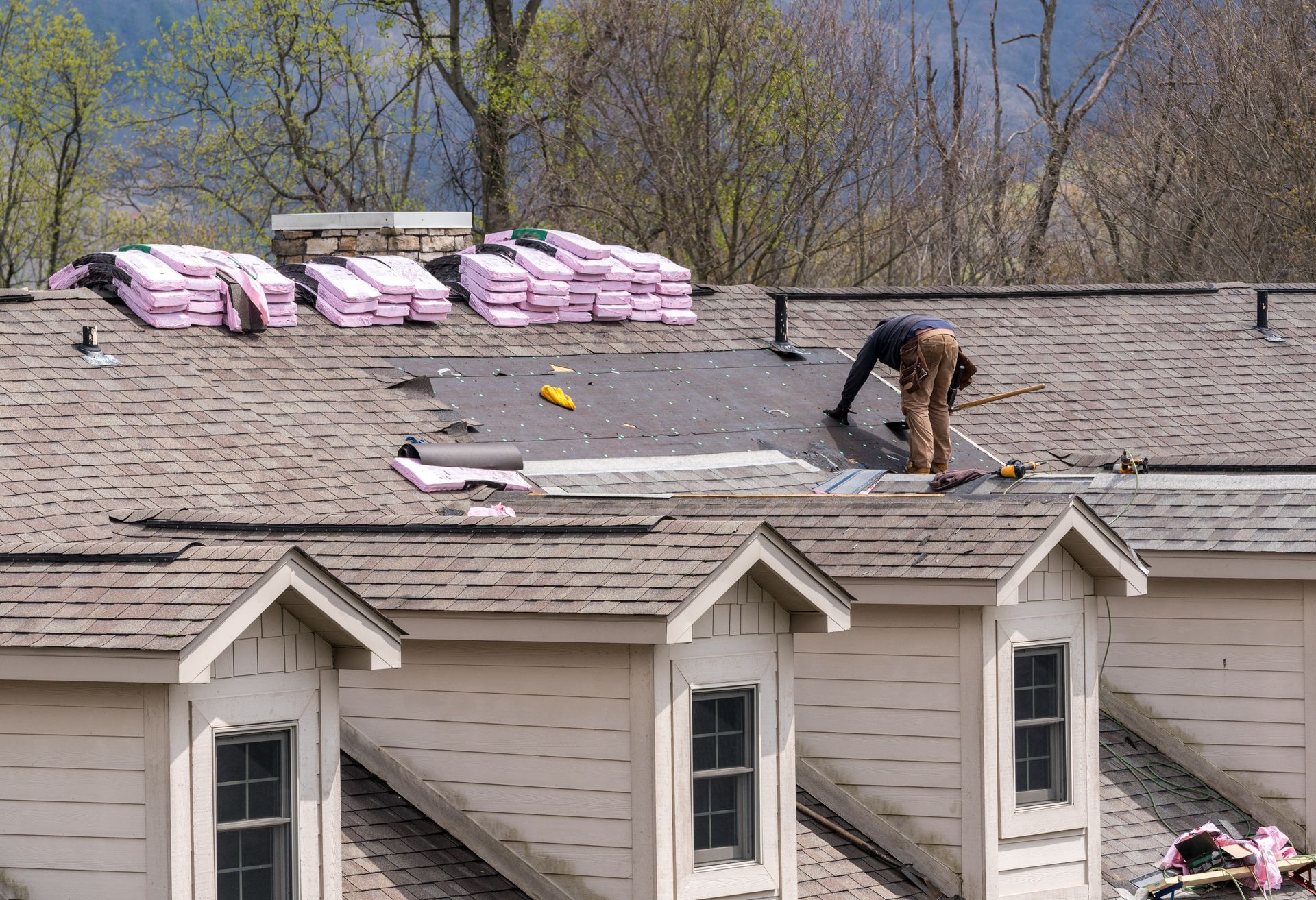
This is why plywood replacement is a normal and expected part of reroof projects in Citrus County.
During a reroof:
- Old roofing is removed
- Decking is inspected
- Damaged panels are replaced
- New roofing is installed to Florida code
This ensures your new roof is built on a solid foundation.
How Much Decking Replacement Is Normal?
In Citrus County reroofs, it is common to replace:
• Multiple sheets of plywood
• Entire roof sections
• Full decking systems in older homes
This is simply the reality of Florida roofing.
Why Replacing Damaged Decking Protects Your Investment?
Replacing compromised plywood provides:
• Strong hurricane resistance
• Longer roof lifespan
• Better nail holding power
• Reduced leak risk
• Improved insurance compliance
• Higher home value
Skipping decking replacement can shorten a new roof’s life significantly.
How to Prevent Decking Problems in Citrus County Homes
• Maintain proper attic ventilation
• Schedule regular roof inspections
• Repair small issues quickly
• Replace aging roofs proactively
Preventative maintenance saves thousands long-term.
Why Choosing a Local Citrus County Roofing Contractor Matters
Roofing in Citrus County is different from roofing anywhere else in the country. Local experience matters.
A contractor familiar with our climate understands:
• Hurricane building codes
• Local moisture challenges
• Ventilation requirements
• Insurance standards
• Common roofing failures in our area
This is why hiring a trusted Citrus County roofing contractor is critical.
About Boulerice Roofing & Supply Inc.
If you’re searching for trusted Citrus County roofing contractors, Boulerice Roofing & Supply Inc. has been helping Florida homeowners protect their homes for decades.
Visit our website: https://www.boulericeroofing.net/
We are a licensed and insured Florida roofing contractor based in Homosassa, providing:
- Residential roofing
- Commercial roofing
- Roof repairs and replacements
- Preventative maintenance programs
- Holiday light installation services
- Free estimates and financing options
Our team serves homeowners throughout Citrus County and surrounding areas with a focus on quality workmanship, honest communication, and long-term roof performance.
Our goal is simple: protect your most valuable investment.
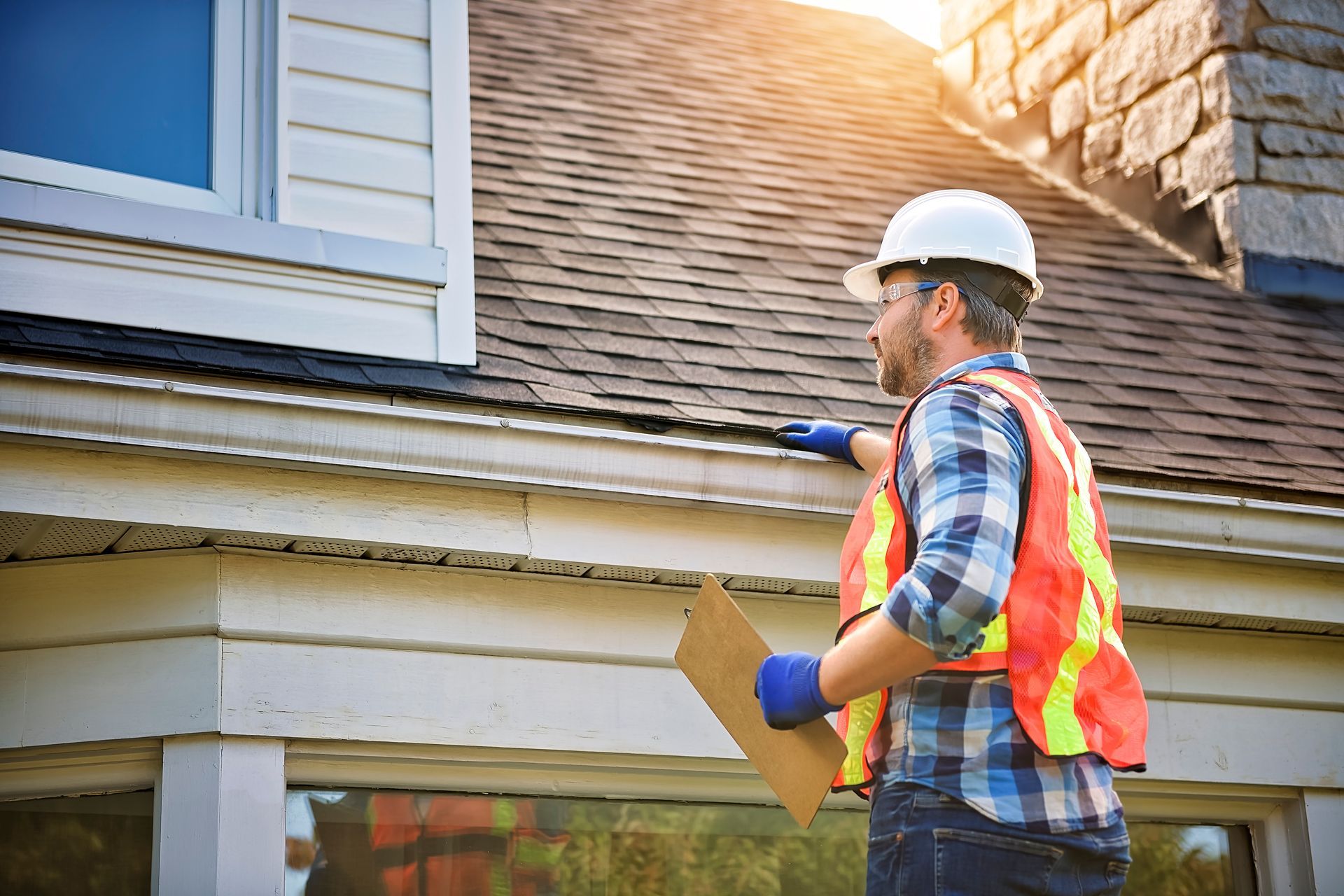
Schedule Your Citrus County Roof Inspection
If your roof is 15+ years old, has experienced storms, or hasn’t been inspected recently, now is the time.
Hidden decking damage can exist long before leaks appear. A professional inspection can identify problems early and help you plan before major repairs are needed.
Visit Roofing Contractor | Homosassa, FL | Boulerice Roofing or call 352-628-7445 to schedule your inspection today.