A Roof Over a Roof: Just Because Code Allows It Doesn’t Mean It’s the Best Choice
Why Citrus County Homeowners Should Think Twice Before Installing a New Roof Over Existing Shingles
When it comes to protecting your home, the decisions you make about your roof can have consequences for decades. For homeowners researching Citrus County roofing contractors, one question deserves careful consideration before signing a roofing contract: Should you install a new roof over your existing shingles, or should the old roofing be removed first?
At Boulerice Roofing & Supply, Inc., we believe homeowners deserve to understand the differences between these options before making a decision. Although Florida Building Code may permit an additional roof covering under certain circumstances, that does not automatically make a roof-over the best choice for every property.
As communities recover from the devastating effects of hurricanes and severe weather, the condition of the entire roofing system deserves attention—not just the material visible from the ground.
Whether you own a home in Lecanto, Crystal River, Inverness, Homosassa, Beverly Hills, or another part of Citrus County, understanding what lies beneath your shingles can help you make a more informed investment in your property.
What Is a Roof-Over?
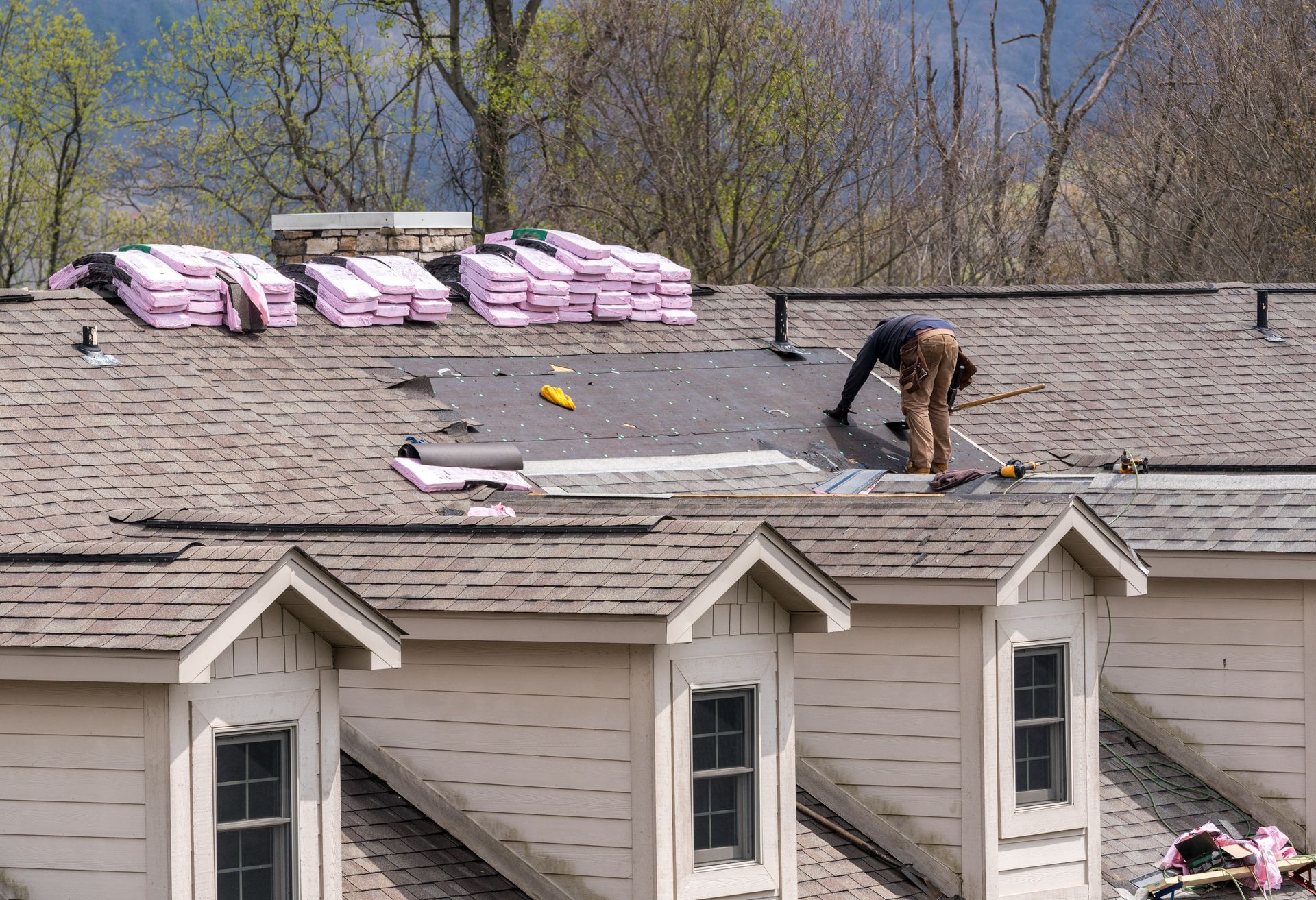
A roof-over occurs when a contractor installs a new roofing layer over an existing roof covering rather than removing the old materials down to the roof deck.
For example, a homeowner with an existing asphalt shingle roof might consider installing another layer of shingles or a metal roofing system without first removing the original shingles. Depending on the existing roof assembly, proposed materials, building conditions, and applicable code requirements, certain roof-over installations may be permitted.
At first glance, the idea can sound appealing. Leaving the existing roof in place may reduce some removal labor and disposal costs. A project may also appear to move along more quickly because the contractor is not removing the old roofing materials.
However, the initial price is only one part of the decision.
The more important question is whether the existing roof deck and supporting structure are suitable for the new roofing system. If deterioration, moisture damage, or attachment problems are hidden underneath the old materials, installing another layer does not correct those underlying conditions.
A roof-over can cover an existing problem without solving it.
That is why homeowners should look beyond the initial estimate when comparing proposals from Citrus County roofing contractors.
1. You Cannot Properly Inspect What You Cover Up
One of the biggest concerns with installing a roof over existing shingles is the limited ability to inspect the underlying roof deck.
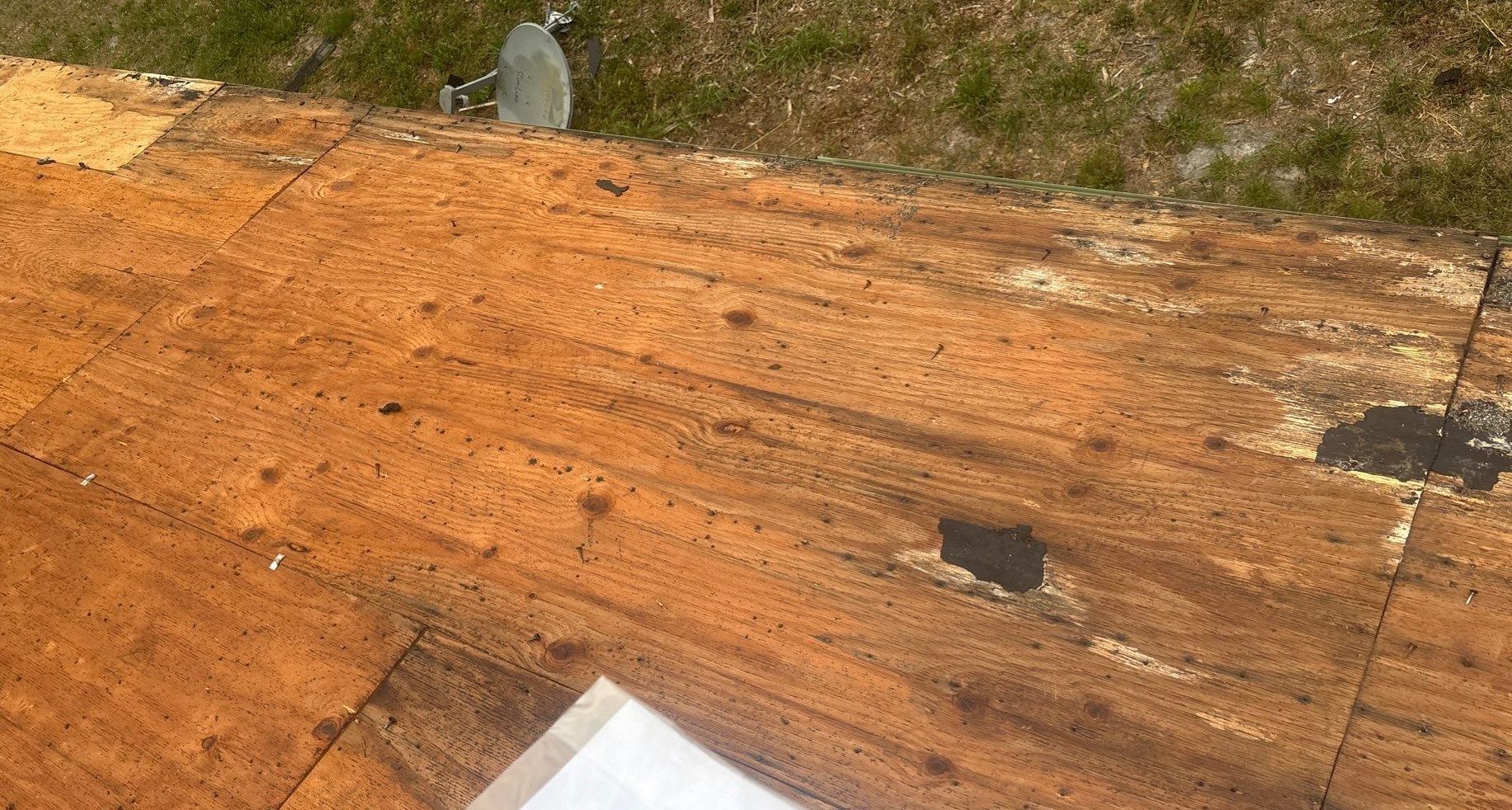
The roof deck is the structural surface to which the roofing system is attached. On many homes, it consists of plywood or another approved wood-based sheathing material. This decking provides the foundation for the roofing assembly and plays an important role in transferring wind forces to the supporting structure.
Over time, the deck may be affected by roof leaks, trapped moisture, inadequate ventilation, deteriorating wood, or damage around roof penetrations and flashing.
Some problems are obvious when the old roofing is removed. Others may be hidden beneath the shingles and underlayment, making them difficult to evaluate from above.
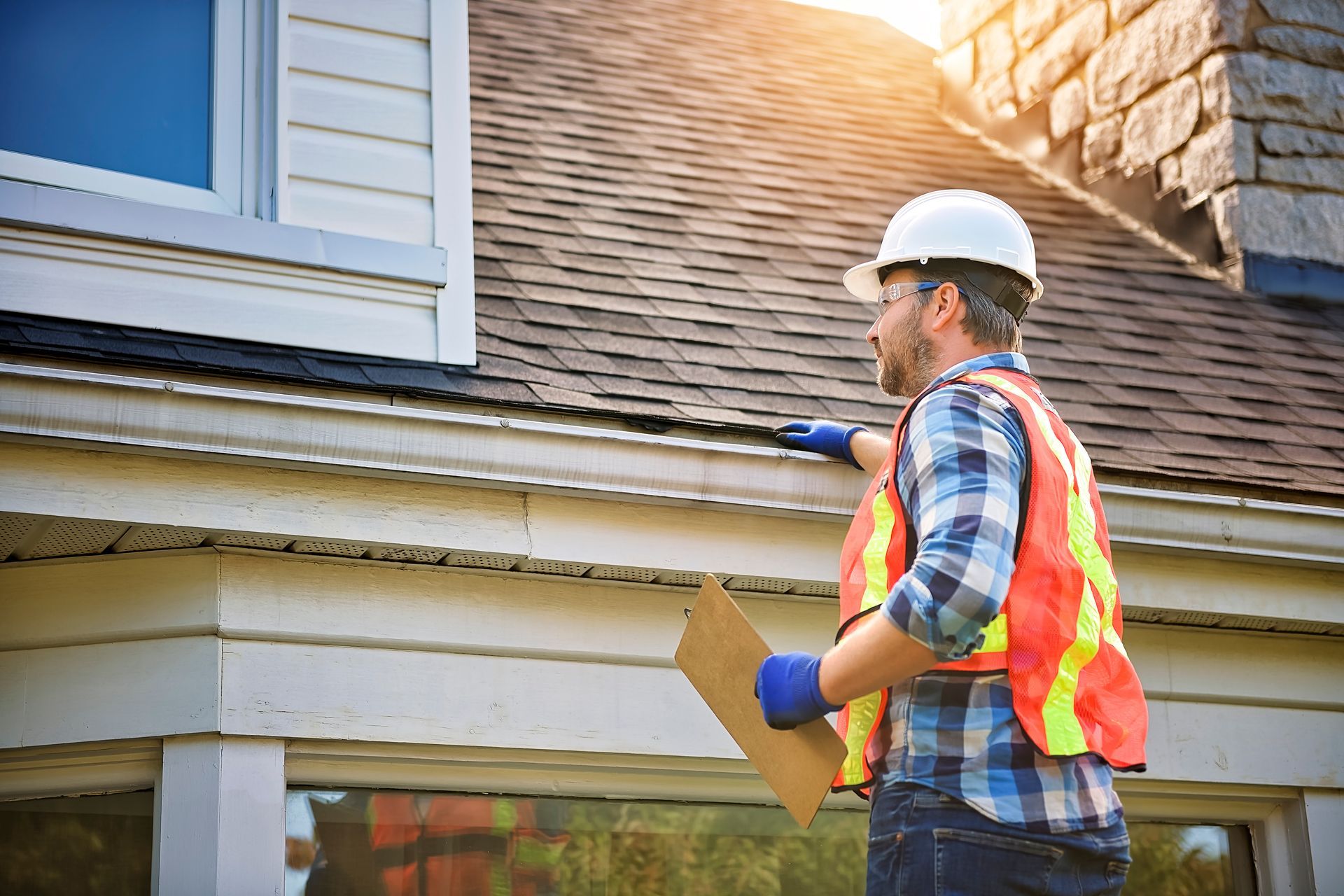
Removing the existing roofing provides the contractor with an opportunity to examine the exposed deck, identify damaged areas, and replace deteriorated materials as needed before installing the new roof.
Without that opportunity, certain problems may remain concealed.
Consider a Citrus County home that has experienced several years of heavy rain, summer thunderstorms, and occasional wind-driven rain. The homeowner may not notice any visible ceiling stains, yet localized deterioration could still exist around a plumbing penetration, valley, or previous repair.
A new roof installed over the old materials does not automatically resolve that hidden damage.
For homeowners investing thousands of dollars in a roof replacement, discovering and addressing these conditions before installation can be an important part of protecting the investment.
2. Your New Roof Is Only as Strong as Its Foundation
Florida homeowners understand that strong winds are a serious concern. During hurricane season, roofing systems may experience substantial wind uplift forces, particularly around roof edges, corners, ridges, and other vulnerable areas.
The performance of a roof depends on more than the type of shingles or metal panels installed. The complete assembly must work together, including the roof covering, fasteners, underlayment, deck attachment, roof decking, and supporting structure.
If the roof deck is deteriorated, fasteners may not achieve the intended holding strength. If the existing assembly has attachment deficiencies, simply adding another roofing layer does not necessarily correct them.
This is particularly important when considering a new metal roof over existing shingles.
Metal roofing can offer excellent performance when the product is properly selected, designed, and installed. However, the strength of the finished roof depends on the specific system and the conditions to which it is attached.
A contractor must evaluate the existing construction, proposed attachment method, applicable wind requirements, and manufacturer installation instructions.
Adding metal panels over an unsuitable substrate or an improperly evaluated existing assembly does not guarantee a stronger roof.
The roof covering may be new, but the structure supporting it may not be.
For homeowners comparing metal roofing and shingle roofing in Citrus County, it is important to ask how the proposed system will be attached and whether the existing roof deck can be adequately evaluated.
3. A New Roof Does Not Automatically Mean a Stronger Roof
New roofing materials are only part of a successful roof replacement.
The quality of the finished installation also depends on preparation, proper fastening, flashing details, underlayment, and compliance with the requirements applicable to that particular roof.
Imagine two homes in Citrus County. Both homeowners select a new metal roofing product. One home has its existing roof covering removed, allowing the contractor to inspect the decking and address damaged areas before installation. The other receives a new covering over an existing roof without the same opportunity to examine the concealed substrate.
Although both roofs may look similar from the street, the underlying conditions and installation details may be very different.
This does not mean every roof-over will fail or that every roof installed after a complete tear-off will perform perfectly. Roofing performance depends on many factors, and every project must be evaluated on its own merits.
It does mean homeowners should understand that the appearance of a new roof is not proof that every underlying component is in good condition.
At Boulerice Roofing & Supply, Inc., we believe that a roof replacement should be approached as a complete roofing system, not simply as an opportunity to cover an old surface with new materials.
4. Hidden Moisture and Deterioration Can Create Future Problems
Florida's humid climate presents ongoing challenges for residential roofing systems.
Heavy rainfall, high humidity, wind-driven rain, and periods of intense heat can contribute to roofing deterioration over time. Even a relatively new home can have installation defects or localized moisture problems.
When a new roof is installed over an existing covering, certain conditions may become more difficult to identify and investigate later.
Existing leaks, deteriorated flashing, damaged decking, or moisture-related problems may remain hidden beneath the new materials. Depending on the roof assembly, existing layers can also complicate the evaluation of moisture movement and the identification of the original source of a leak.
It is important to understand that a roof-over does not necessarily trap moisture in every situation. The actual risk depends on the existing materials, building design, ventilation, moisture conditions, and installation method.
Nevertheless, removing the old roofing can provide a clearer view of the underlying surface and allow the contractor to address identified deficiencies before the new system is installed.
This can be especially valuable when replacing an older roof on a home in Inverness, Crystal River, Homosassa, or elsewhere in Citrus County.
When a roofing contractor recommends removal of the existing materials, ask why. A professional should be able to explain the condition of the roof, the benefits of inspecting the deck, and the work required to prepare the structure for the replacement system.
5. Roof-Overs Can Complicate Future Repairs and Replacements
A roofing system is expected to protect a home for years, but maintenance and repairs may eventually be necessary.
When multiple roofing layers are present, identifying the source of a leak or evaluating concealed damage may become more complicated. The contractor may need to determine which layer has failed, how moisture is moving through the assembly, and whether the underlying deck or previous materials have been affected.
Multiple layers can also influence the work required during a future roof replacement. Depending on the materials and installation, removing the accumulated roofing may require additional labor and disposal.
These considerations should be part of the discussion before deciding whether a roof-over is appropriate.
Homeowners should also ask about the applicable manufacturer's warranty requirements. Not every roofing product or installation method is suitable for every existing roof assembly. A proposed roof-over must meet the requirements of the selected system and any applicable warranty conditions.
Before signing a contract, make sure you understand what the contractor is proposing, what will remain in place, and what work will be performed if concealed damage is discovered.
A detailed proposal should explain the scope of work rather than relying on a general description such as “install new roof.”
6. What Does Florida Building Code Say About Roof-Overs?
One reason roof-overs are considered is that Florida Building Code can permit an additional roof covering in certain circumstances.
However, homeowners should not assume that every property qualifies or that any combination of roofing materials can be installed over an existing roof.
The applicable requirements depend on factors such as the existing roof covering, the proposed material, the condition of the structure, the building's characteristics, applicable manufacturer instructions, and the code provisions in effect for the project.
Local permitting authorities may also need to review the proposed work.
A contractor should evaluate the specific property and confirm the applicable requirements before recommending an installation method. The fact that an additional roof covering may be allowed does not eliminate the need to assess the existing assembly or follow the applicable installation requirements.
This distinction matters when comparing proposals from Citrus County roofing contractors.
One contractor may recommend a roof-over, while another recommends removing the existing materials. Instead of comparing only the bottom-line prices, ask each contractor to explain the proposed installation method, its advantages and limitations, and how the underlying structure will be evaluated.
You should also ask whether the proposed system meets the applicable code requirements and manufacturer specifications.
Code compliance establishes what is permitted under the applicable rules. It does not mean every permitted option is equally suitable for every home.
For a project-specific determination, homeowners should consult a properly licensed roofing contractor and the appropriate local building department.
7. What Can Hurricane Damage Teach Us About Roofing Decisions?
Hurricanes and severe storms remind us that roofing decisions can have consequences far beyond appearance.
When aerial photographs or news footage show extensive damage to residential roofs, apartment complexes, and commercial buildings, it is natural to wonder whether the installation method contributed to the failure.
Images of damaged roofs can raise important questions, particularly when a roof appears to have been installed over an older covering. However, photographs alone cannot establish why a particular roof failed.
A proper investigation may need to examine wind speeds, roof geometry, building age, material specifications, fastener patterns, deck attachment, installation practices, maintenance history, and other conditions.
The lesson is not that every roof-over will fail during a hurricane. Rather, severe weather reinforces the importance of evaluating the complete roofing assembly and understanding how its components work together.
In Citrus County, homeowners should prepare for the possibility of tropical storms, hurricanes, and intense seasonal thunderstorms. Taking the time to evaluate a roof before replacement can help identify concerns that deserve attention before the next major weather event.
A new roof should be selected based on the property's needs, the condition of the existing structure, and the requirements of the proposed roofing system—not solely on the lowest initial price.
8. Is a Roof-Over Ever the Right Choice?
A roof-over is not automatically a bad choice in every situation.
Depending on the existing roof, the proposed materials, the structural condition, and applicable code requirements, an additional covering may be a permissible and reasonable option.
The important point is that the decision should be made after evaluating the actual conditions of the property.
Homeowners should be cautious if a contractor recommends a roof-over without adequately explaining the existing roof's condition, how the new covering will be attached, or what limitations the installation method may create.
Ask questions before agreeing to the work.
- What is the condition of my existing roof deck?
- Can the deck be adequately inspected with the existing roofing in place?
- Are there signs of previous leaks, moisture damage, or deterioration?
- How will the new roofing system be attached?
- Does the proposed installation meet applicable Florida Building Code requirements?
- Is the installation approved for the existing roof assembly by the manufacturer?
- How will concealed damage be handled if it is discovered?
- What are the warranty terms, and are there any limitations associated with this installation method?
- What additional work or expense could be involved during a future roof replacement?
The answers should help you understand the benefits, risks, and costs of each option.
A professional roofing contractor should welcome reasonable questions and provide clear explanations so you can make an informed decision.
9. Why Choose Boulerice Roofing & Supply, Inc.?
Choosing among roofing companies is an important decision, especially when you are making a significant investment in your home.
Boulerice Roofing & Supply, Inc. is a family-owned and operated roofing business with roots dating back to 1967. Our company has a long history in the roofing trade, serving homeowners and property owners throughout Citrus County and surrounding communities.
We understand that a roof is more than a finishing touch on a house. It is an essential part of the building envelope, helping protect the property and the people inside it from Florida's demanding weather conditions.
Our approach emphasizes understanding the project, evaluating the existing conditions, and explaining the work being proposed. We believe homeowners should have the information they need to compare their options and understand what they are paying for.
Our roofing services include residential and commercial roofing, roof replacement, roof repairs, maintenance, metal roofing, shingle roofing, tile roofing, TPO roofing, and roof coatings, subject to the needs and specifications of each project.
We also offer holiday light installation and removal as part of our seasonal services.
Our team serves Citrus County communities, including Lecanto, Crystal River, Inverness, Homosassa, Beverly Hills, and surrounding areas. We also serve customers in neighboring counties, depending on the project.
Boulerice Roofing & Supply, Inc. holds Florida roofing contractor licenses CCC025464 and CCC1335571. We encourage every homeowner to verify a contractor's licensing and credentials and to review the scope of work carefully before signing a contract.
When you contact us about a roof replacement, we want you to understand the proposed solution—not simply receive a price.
If your home has an older roof, you have experienced leaks, or you are considering installing metal roofing over existing shingles, ask us about the options available for your property.
10. Look Beyond the Lowest Roofing Estimate
It can be tempting to choose the least expensive roofing proposal, especially when several contractors appear to be offering similar materials.
However, the lowest initial price does not always represent the best long-term investment.
When comparing estimates, consider whether the proposals include removal of the existing roof, inspection of the deck, replacement of damaged wood as needed, appropriate underlayment, flashing details, installation requirements, permitting, cleanup, and applicable warranties.
Also consider what each contractor says about the condition of your existing roofing system and why a particular installation method is recommended.
A roof replacement is an opportunity to address existing deficiencies and prepare the structure for the new roofing system. When removal is appropriate, skipping that step simply to reduce the initial price may mean missing an opportunity to identify problems before they become more expensive to address.
Every property is different, and there is no single installation method that is right for every home. The goal is to select a system that meets the property's needs, complies with applicable requirements, and is installed according to the relevant specifications.
For homeowners searching Google for Citrus County roofing contractors, we encourage you to look for a contractor who will explain the work, answer your questions, and help you understand the difference between a lower upfront cost and a properly evaluated roof replacement.
Protect Your Home by Asking the Right Questions
A roof-over may be permitted under certain conditions, but that does not mean it is always the best choice.
Removing existing roofing when appropriate provides an opportunity to inspect the roof deck, identify deterioration, address necessary repairs, and prepare the structure for the new roofing system.
That additional work may represent a greater initial investment, but understanding the condition of the underlying structure can be an important part of making an informed decision.
Before you commit to your next roof replacement, ask what is underneath your existing shingles, whether the decking can be properly evaluated, and how the proposed system will protect your home.
At Boulerice Roofing & Supply, Inc., we believe that informed homeowners make better roofing decisions.
Do it right. Inspect what is underneath. Protect what matters.
If you need a roof replacement, roof inspection, repair, or maintenance service in Citrus County, contact our team to discuss your project.
Boulerice Roofing & Supply, Inc.
Family-owned and operated since 1967.
Florida Roofing Contractor Licenses: CCC025464 | CCC1335571
Phone: 352-628-7445
Website:
Roofing Contractor | Homosassa, FL | Boulerice Roofing